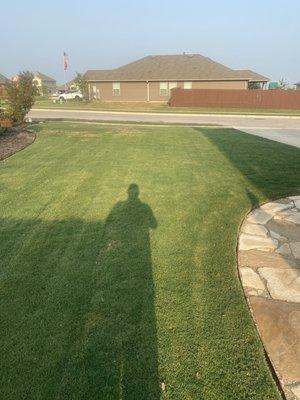
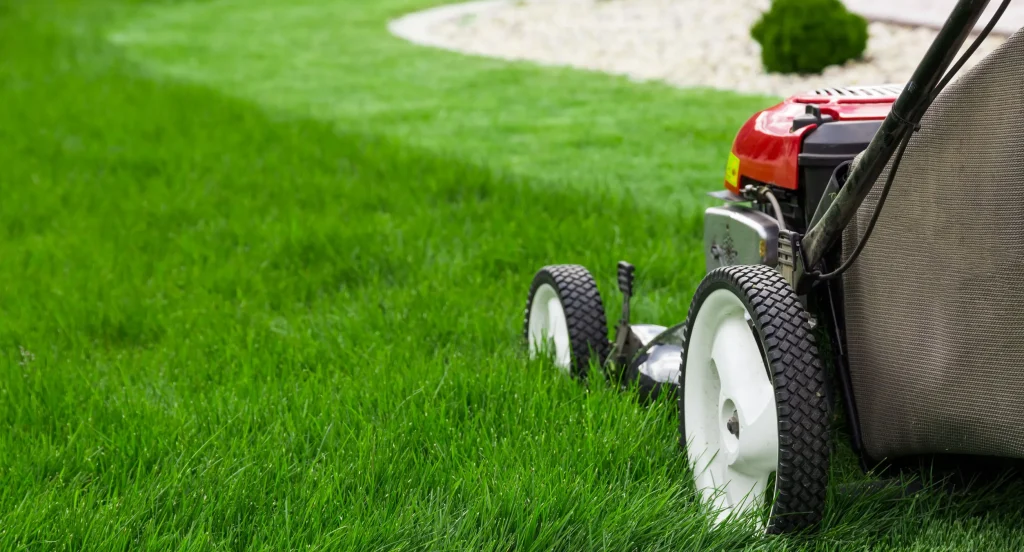
A lush and green lawn is more than just an expanse of grass–it serves as the centerpiece for creating a breathtaking outdoor living space, providing relaxation space, and often serving as the first impression of any home. Proper Lawn Care requires consistent attention, seasonal adjustments, an understanding of soil types, grass varieties, and maintenance practices, as well as seasonal adjustments based on those elements; though it may appear straightforward at first, creating healthy turf requires both science and routine to achieve results.
Understanding Your Lawn
Every lawn is distinct, influenced by soil composition, climate conditions and grass type. Cool-season grasses tend to do best in temperate regions, while warm-season ones thrive in hotter environments. Before embarking on any lawn care regimen, it’s essential that you know which type of grass exists, as this will inform how it responds to seasonal fluctuations and also reveal pH levels or any nutrient deficiencies that could impair growth. Soil testing also plays a pivotal role.
Style of Mowing
The style of mowing is a very easy thing to do on the turf, but it is often done incorrectly. Cutting grass too short weakens its root system, leaving it more susceptible to weeds and drought. Aim for frequent mowing of no more than one-third of the grass blades at any one time using sharp mower blades (dull ones tear grass into jagged edges that invite disease) with frequent adjustments according to season (taller grass in summer provides shade to reduce water loss).
Watering Techniques
Proper lawn watering can be crucial to its overall health, yet overwatering can be just as detrimental. Watering in a regular but deep and infrequent manner will encourage the spread of the roots downward, which ultimately leads to a more drought-resistant grass. The best time for watering is early morning since it decreases evaporation and at the same time prevents fungal growth, which is a risk in the evening when conditions are damp. A typical lawn requires about one inch of water per week, but this can vary according to rainfall and the type of soil – sandy soils are the quickest to drain and hence, require more frequent watering, whereas clay soils have good moisture retention, which calls for longer irrigation cycles.
Fertilization and Soil Health Management
Fertilizers supply the nutrients that the grasses are usually unable to obtain from the surrounding environment, such as nitrogen, which is necessary for foliage and depth of color, phosphorus, which is necessary for the root system and potassium, which is necessary for general plant wellbeing. The application of a quality balanced fertilizer at the right time of the year can very much turn a not-so-good lawn into a beautiful, lush green area. Organic options, such as compost or natural lawn food, can improve soil structure while simultaneously feeding your grass, while aeration enhances nutrient absorption while decreasing compaction levels in your lawn.
Weed and Pest Control
Weeds have a tendency to take nutrients, water, and light away from grass. The most effective method of controlling allergies is to let the grass grow thick and strong so that there are no open spots for the weeds; pre-emergent herbicides can work to stop germs from sprouting by killing their seeds, while post-emergent treatments eradicate the already existing plants. Also, there are certain pests like grubs and chinch bugs that might ruin the lawns, which show up as brown patches. Integrated Pest Management brings together monitoring, prevention, and treatment to create one eco-friendly solution.
Seasonal Lawn Care
Lawn care is something that needs to be done constantly and not just once a year. Spring is the time for cleaning up, aerating, and applying fertilizer to encourage growth, while summer calls for careful watering and mowing adjustments to prevent heat stress. Fall is the season for seeding of thin turf areas and application of fertilizer just before winter. Even during this dormant phase, it is best avoided with heavily foot traffic so as to avoid soil compaction and damage.
A well-maintained lawn not only increases the appeal of the property from the street but also makes the outdoor area more attractive and contributes to the overall health of the property. By figuring out the basics of mowing, watering, fertilizing, and taking care of the yard in different seasons, one can raise a lawn that stays healthy all year round. Taking care of the lawn is a process that requires endurance in the long run, through regular and considerate actions; with the right amount of time and effort, any lawn can be turned into a source of pride and pleasure!
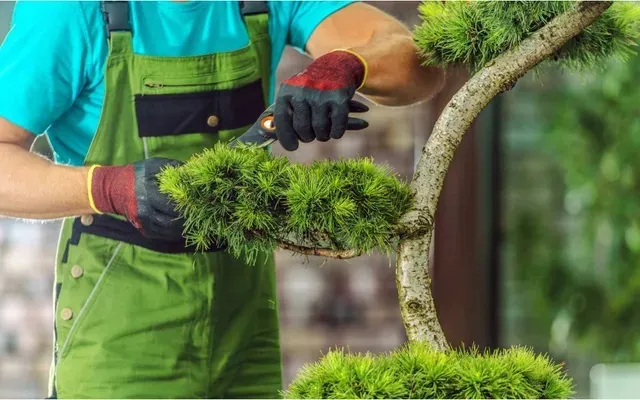
Tree Pruning Cedar Valley TX: A Comprehensive Overview
Trees are commonly loved for their everlasting charm, the nice smell of the wood and the ability to give shade and privacy. However, similarly to other plants, trees need support if they are to remain healthy and good-looking – i.e., one of the major points in the care of trees is pruning, whose benefits go beyond just forming the tree as it also increases the trees strength, lessens the chances of getting infected and promotes the growth of the new branches. Knowing the right time and method for pruning can be the very factor that separates you from an impressive green feature from one that barely survives your landscape.
Tree Pruning Cedar Valley TX is not just a matter of visual appeal – it is a vital operation that contributes to the tree’s lifespan. Besides, a clean-up of dead, infected or damaged twigs is a way of lessening a source for harmful insects and diseases; at the same time, cutting off overly dense parts provides more sun rays and open air to the inner parts of the tree, thus making it less likely to get a type of fungal infection. Pruning also maintains its natural shape by keeping overgrown or lopsided areas under control while protecting structures, power lines, or walkways from any interference with branches that have grown too large for a safe passageway.
Timing is key when it comes to pruning trees, with late winter through early spring being ideal as new growth commences. At this time, trees experience less stress, wounds heal more efficiently, and any emergency pruning, such as removal of broken or hazardous branches, can be done at any time of year; regular shaping and thinning should adhere to seasonal recommendations.
Before embarking on any pruning project, it is essential that the necessary tools are on hand. Hand pruners work best when used on small branches, while loppers or pruning saws can make short work of thicker limbs. All tools should be sharp and disinfected regularly for clean cuts that do not spread disease; additionally, safety gear such as gloves and protective eyewear is key when dealing with larger trees that have branches high above or near power lines. For larger trees, professional arborists may be necessary – especially if branches extend above power lines – when pruning projects commence.
Pruning Techniques for Pruning Trees
Thinning involves selectively cutting branches to increase light penetration and airflow; it is particularly effective at clearing dense canopies. Crown cleaning involves extracting dead, diseased, or weak branches to maintain overall health; crown reduction uses selective cuts of upper branches without disturbing their natural form to decrease tree size while maintaining natural form; topping is another technique, which weakens trees further, making them susceptible to disease and structural failure.
It is a common mistake in pruning that someone prunes too much at once. Removing more than a third of a tree’s foliage at once may shock and stunt its growth, while making improper cuts that leave stubs or damage branch collars, leaving wounds that heal poorly and invite decay. An excessively aggressive pruning damages the tree even more as it makes the trunk more vulnerable to sunscald, and the tree’s natural defense mechanisms are weakened.
Pruning Benefits to Consider Over Time
Pruning trees correctly provides long-term benefits. A properly pruned tree has a stronger structure that is more resistant to storms and heavy snowfall. Airflow improvements reduce fungal disease risks while balanced growth promotes aesthetic enhancement. Pruning is especially valuable for property owners as regular pruning increases curb appeal while remaining an asset rather than a liability; healthy trees can live for decades and receive consistent care to reach their full potential.
Pruning Trees is an Artistic Skill as well as a Science
On the one hand, it is needed knowledge of timing, technique, and tree biology in order to get maximum results. Through the removal of diseased branches and shaping the growth so as not to make the typical mistakes, the owners of the trees are able to keep their trees alive and strong, no matter if they are doing it as a regular chore or as a part of their bigger landscaping projects. Pruning is a benefit to their health and beauty.
————————-
Faq’s
What is the best time of year to start lawn care?
Spring and fall are the best times, as temperatures are moderate and grass can establish strong roots.
How often should I mow my lawn?
Mow once a week during the growing season, but never remove more than one-third of the grass blade at a time.
What is tree pruning?
Tree pruning is the selective removal of branches to improve tree health, safety, and appearance.
How is pruning different from trimming?
Pruning focuses on tree health and structure, while trimming is mainly for shaping and aesthetics.