Tree Pruning Austin TX is one of the cornerstones of tree care, ensuring not only their health and longevity but also safety and aesthetic appeal. From residential landscapes to commercial properties and public spaces, pruning serves an invaluable function by keeping a balance between nature and human needs. This article delves into its significance along with techniques, timing and benefits, providing a fuller picture as to why its importance must never be discounted.
Learn About Tree Pruning
Tree pruning refers to the selective removal of branches in order to improve a tree’s structure, health and appearance. Pruning is a more advanced and thoughtful process than simply cutting or trimming. It involves understanding tree biology and growth patterns, and the main objective should not be just to reduce the size but rather to grow a strong and healthy tree and get rid of the risks of things like weak limbs or diseased branches.
Pruning is one of the ways that keeps the tree healthy as it removes the parts that are dead, diseased or matted with pests that can eventually cause the damage to spread. Secondly, pruning enhances safety by lessening the potential hazard from dropping branches that can harm people, property, or even power lines. Third, pruning enhances the look of the trees by trimming the trees to fit the surroundings of the landscape and, at the same time, increasing the light and air that can flow; also, it helps the trees to grow healthily in the future by shaping the young ones to become a strong framework that can resist storms and other environmental factors.
Time is a Very Important Factor in Tree Pruning
Most species benefit from doing their annual trimming in late winter or early spring, when trees are dormant and wounds heal faster when growth resumes. Pruning also reduces risks related to disease transmission and insect infestation; however, certain trees may require summer pruning when controlling growth or clearing away damaged branches after storms. It is therefore imperative that each species’ needs are understood so as to ensure an effective and safe pruning program.
Techniques of Tree Pruning
Tree pruning involves several techniques, each designed to achieve specific outcomes. Crown thinning removes select branches to increase light penetration and air movement while simultaneously decreasing disease risks, while crown raising removes lower branches that hinder pedestrians, vehicles or buildings from accessing them safely and comfortably. When pruning near structures or power lines is necessary (crown reduction shortens height/spread reduction shortens), while dead wooding involves eliminating lifeless branches to improve safety and appearance, every action must be carefully done so as not to harm or create wounds which could invite pests/disease outbreaks/recoveries infestations. All techniques require precision in order to avoid harming trees or creating wounds inviting pests/rot/decay to take hold.
Tools and Safety Requirements in Tree Pruning
Proper tools are key to successful pruning. Hand pruners, loppers, pruning saws and pole pruners are often utilized when pruning small to mid-sized branches; when handling larger trees, professional arborists may use chainsaws and climbing equipment. Safety must always come first as pruning involves working at heights while using sharp tools; gloves, helmets and safety glasses must always be worn when using pruning equipment – alternatively hiring an arborist certified arborist would ensure both proper tree care and your own wellbeing!
Benefits of Regular Tree Pruning
Pruning trees has many long-term advantages that go well beyond simply aesthetic considerations. Regular tree pruning not only keeps trees healthy but also makes them more resilient to storms and other environmental factors; eliminates potential dangers; thus, saving homes, cars, and people from falling branches; going further, pruning pays for itself as trees become long-term assets by increasing property values through maintaining a stylish landscape; furthermore, fruit trees can give more fruits by simply pruning the redirection of the energy of fruit-bearing trees into the productive branches; at the same time, beautifying the landscape and increasing the yield and quality of the trees by directing the energy towards productive branches – in the end, pruning is an investment that lets the trees live for another 8-10 generations!
Tree pruning is not just a decorative measure – it is the main part of the tree care program. People, understanding its importance and putting the correct methods into practice, to ensure their trees are healthier, safer and more beautiful, whether the work is done by the homeowners or professional arborists, pruning keeps trees’ assets, not liabilities, in any landscape.
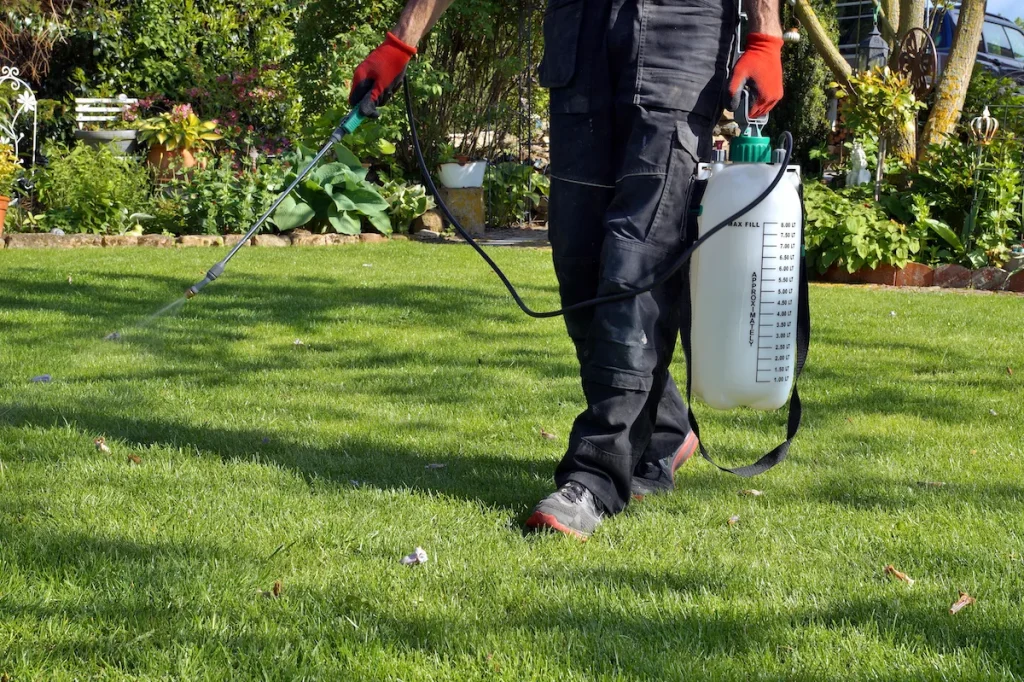
Fertilizer Programs Service: Supporting healthier lawns and landscapes
Services for Fertilizer Programs Mountain City TX provide a specialized method for keeping the health, beauty, and longevity of the lawns, gardens, and landscapes. Instead of one-off applications for fertilizer needs, structured seasonal treatments that are specifically designed for plant species, soil composition, and climate can make your landscape grow vibrant all year round and still be resistant to stressors.
Knowing Fertilizer Programs
A fertilizer program is more than just the spreading of nutrients across a lawn; it is a detailed plan which is aimed at delivering the needed nutrients at the most appropriate times, while considering factors such as soil, grass, and plants, as well as the environment. The goals are to build a system that gives plants continuous food, which in turn will give those stronger roots, greener leaves, and better protection against pests and diseases.
Fertilizer Programs Are Essential
Healthy soil is the cornerstone of any beautiful landscape, and fertilizer programs play a crucial role in replenishing essential nutrients that tend to naturally deplete over time. Although essential elements like nitrogen, phosphorus, potassium and micronutrients such as iron magnesium calcium are necessary for plant survival, replenishment also ensures long-term beauty benefits while supporting sustainable growth with long-term beauty benefits. Without such programs in place, lawns and plants could quickly become weak, discolored and susceptible to stress; without them in place, soil fertility could dwindle as plants struggle without enough nourishment. Without proper replenishment programs ensure its long-term beauty is secured for sustainability with long-term beauty!
Seasonal Fertilizer Applications
Timing is key when it comes to fertilizer programs. Spring applications should focus on jumpstarting growth after winter dormancy by providing nitrogen to boost lush green blades and strong root development; summer treatments focus on maintaining color resilience during heat and drought; fall applications strengthen roots for winter by strengthening energy storage while winter treatments might include soil conditioners that balance pH or improve structure – each season’s application must meet the specific needs of plants.
Customized Solutions for Varying Landscapes
As no two lawns and gardens are the same, fertilizer programs must be tailored specifically to individual conditions. Homes might require a mixture of aesthetics and strength through their yards, while business properties are in need of the same look, even under heavy traffic of feet. Decorative gardens are made of specially crafted blends that raise the flowering and the foliage, while farm landscapes are given nutrient-rich programs to the full extent of their yield. Fertilizing services first and foremost evaluate soil composition, plant type, and environment factors, then they find suitable solutions that give real results.
Expert Knowledge of Fertilizer Programs
Certainly, a homeowner has the ability to fertilize their garden by themselves. Yet, a professional plan carries several different advantages. Experts conduct soil testing to detect any lack of nutrients and suggest exact formulations. Along with that, they keep an eye on the progress all through the year and if needed they make changes to keep the application balanced; a professional service also lessens the risk of over-fertilization, which can lead to plant damage as well as pollution of water sources; by employing the services of trained specialists, therefore, estate owners get the assurance that their landscapes are getting the best care.
Benefits of Fertilizer Program Services
Structured fertilizer programs bring far beyond greener grass to businesses. Consistent applications enhance soil health, making it more capable of retaining moisture and nutrients, strengthening root systems and decreasing drought tolerance; healthier plants become less vulnerable to pests and diseases, thus decreasing chemical interventions needed; curb appeal is increased with properly maintained landscapes, while welcoming outdoor spaces are created – leaving lasting impressions with visitors and clients.
Fertilizer programs services represent an expenditure that will pay off over time with the continued health and attractiveness of landscapes as Go Green Go Grant provide regular feeding that is necessary to keep the development of living things bright and their resistance to disease in the case of residential lawns, commercial properties, ornamental gardens, ornamental planting beds or ornamental flowerbeds. Choosing these programs is a guarantee of better soil, more viable plants and beautiful landscapes throughout the year.
———————-
Faq’s
Why is tree pruning important?
Pruning promotes tree health, prevents the spread of disease, reduces the risk of falling branches, and enhances the overall look and structure of the tree.
When is the best time to prune trees?
Late winter or early spring is ideal because trees are dormant, making cuts heal faster. However, some species benefit from summer pruning, especially for controlling growth.
What is a fertilizer program?
A fertilizer program is a structured schedule of nutrient applications designed to maintain healthy soil and promote strong plant growth throughout the year.
What nutrients are included in fertilizer programs?
Most programs focus on nitrogen, phosphorus, and potassium, along with micronutrients like iron, magnesium, and calcium for balanced growth.